 Call Now
 Get In Touch
 Book Now


A roof leak rarely starts as a dramatic stream of water pouring through the ceiling. More often, it begins as a small weakness: a cracked pipe boot, a loose flashing detail, a clogged valley, or a section of shingles that no longer seals properly.
In Portland and throughout the Pacific Northwest, roof leaks are especially common because homes deal with long rainy seasons, moss growth, tree debris, wind-driven rain, and slow drying conditions. A small vulnerability can stay wet for days, allowing water to work its way into the roof system, attic, insulation, and interior finishes.
This guide explains the most common causes of roof leaks, how to recognize the warning signs, and what homeowners should do before the damage becomes more expensive.
Why roof leaks are tricky to diagnose
Water does not always drip straight down from the leak source. It can enter at one point, travel along rafters, follow insulation, move behind drywall, and appear several feet away from the actual roof problem.
That means a ceiling stain in one room does not always mean the roof leak is directly above it.
A proper leak inspection should look at:
- Roof surface condition
- Flashing details
- Pipe boots and penetrations
- Valleys
- Chimneys and skylights
- Attic staining
- Insulation moisture
- Gutters and drainage
The goal is to identify the entry point, not just patch the area where water appears indoors.
1. Damaged or aging pipe boots
Pipe boots are one of the most common roof leak sources. These are the rubber or metal flashing components that seal around plumbing vent pipes that pass through the roof.
Over time, the rubber portion can crack, split, shrink, or separate from the pipe. Once that seal fails, rainwater can run down the pipe and into the attic.
Warning signs
- Water stains near a bathroom or plumbing wall
- Cracked rubber around roof vent pipes
- Damp insulation below a pipe penetration
- Drips during steady rain
How it is fixed
If the surrounding shingles and decking are still in good condition, a pipe boot replacement is usually a targeted repair. The roofer removes the failed boot, checks the surrounding area, and installs a new properly sealed flashing component.
2. Failed flashing around chimneys, skylights, and walls
Flashing is the metal detail that protects roof transitions. It is used wherever the roof meets another surface, such as a chimney, wall, dormer, skylight, or vent.
Because flashing handles complicated water movement, it is one of the most important parts of a watertight roof.
Common flashing problems
- Rusted or corroded metal
- Cracked sealant
- Improperly installed step flashing
- Loose counter-flashing
- Gaps where roof meets siding or masonry
- Old repairs relying too heavily on caulk
Why this matters in Portland
Wind-driven rain can push water into weak flashing details. If the flashing was installed incorrectly or has aged beyond its useful life, leaks may show up during long storms even if shingles look fine.
How it is fixed
A proper repair usually involves replacing or reworking the flashing detail, not simply adding more sealant. Caulk may temporarily slow a leak, but it is rarely a permanent solution when the flashing system itself has failed.
3. Clogged roof valleys
Roof valleys are where two roof planes meet. They collect and channel large volumes of rainwater toward the gutters.
Because valleys carry concentrated flow, they are more vulnerable to leaks when debris builds up.
Common valley debris
- Leaves
- Pine needles
- Moss clumps
- Small branches
- Shingle granules
When debris blocks flow, water can slow down, spread sideways, and push beneath shingles.
Warning signs
- Moss or debris packed into roof valleys
- Leaks during heavy rain
- Water stains near interior ceiling lines
- Granules or organic buildup collecting at gutter entry points
How it is fixed
The valley should be cleaned and inspected for damaged shingles, failed underlayment, or compromised valley flashing. If the valley system is failing, a more involved repair may be needed.
4. Missing, lifted, or damaged shingles
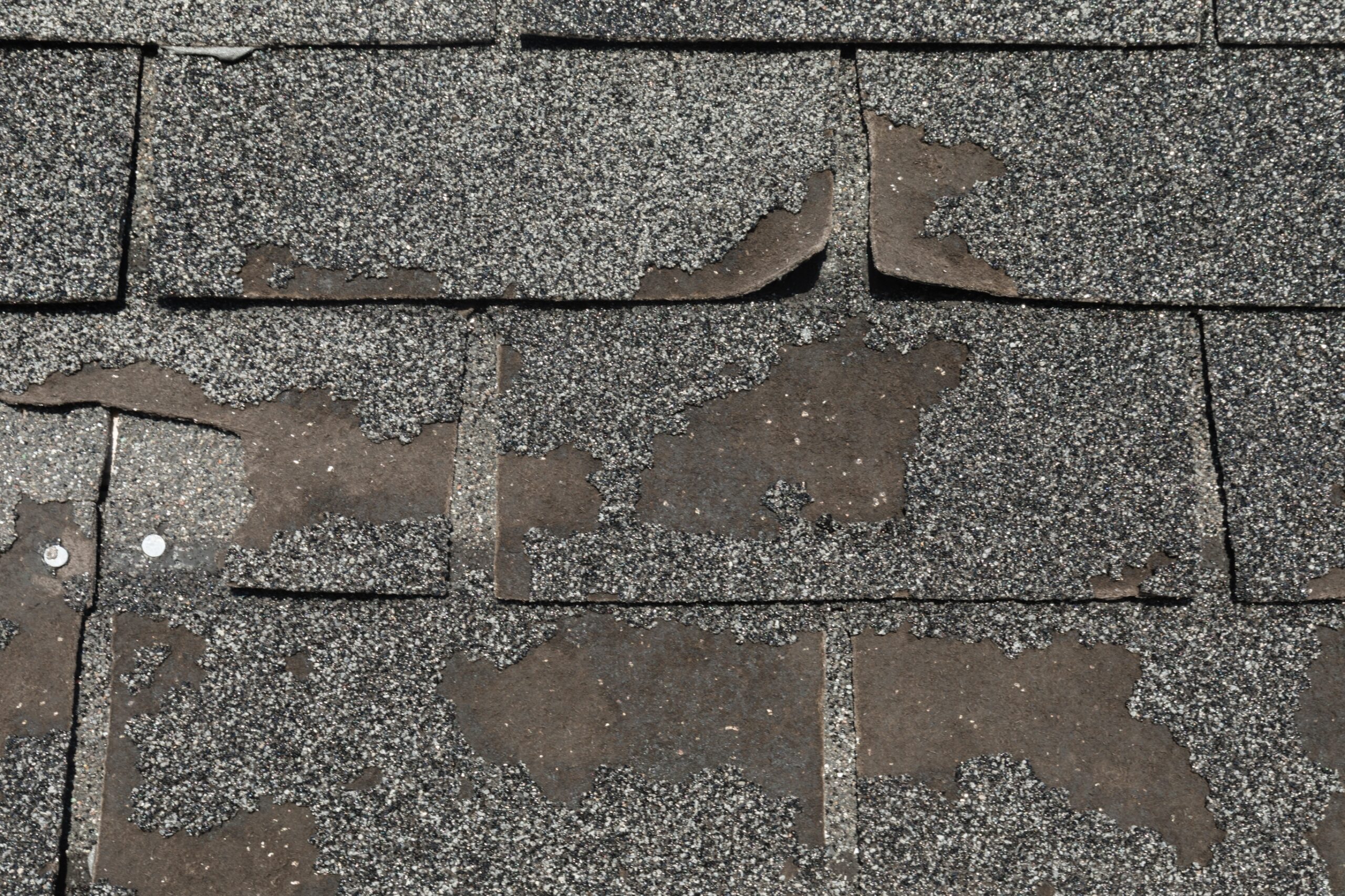
Shingles are designed to overlap and shed water. When they are missing, torn, lifted, curled, or improperly sealed, water can reach the underlayment and eventually the deck.
Causes of shingle damage
- Windstorms
- Falling branches
- Old age
- Poor installation
- Moss lifting the shingle edge
- Repeated moisture exposure
Warning signs
- Bare spots on the roof
- Shingles in the yard after storms
- Lifted tabs visible from the ground
- Dark exposed underlayment
- Leaks after wind-driven rain
How it is fixed
If the damage is isolated and the surrounding shingles remain flexible, a repair may be possible. If shingle damage is widespread, replacement may be the better long-term solution.
5. Moss growth that lifts shingles
Moss is one of the most common roof issues in the Portland area. While it may look harmless at first, moss can damage roofing materials over time.
Moss holds moisture against the roof surface. As it grows thicker, it can lift shingle edges and create small openings where wind-driven rain can enter.
Why moss causes leaks
- It traps water against shingles
- It prevents proper drying
- It can lift tabs and edges
- It contributes to granule loss
- It hides damage beneath the growth
What to avoid
Do not pressure wash asphalt shingles. High-pressure washing can strip protective granules and shorten roof life.
How it is handled
Light moss may be treated and removed using shingle-safe methods. Heavy moss combined with lifted shingles or granule loss may require roof repair or replacement depending on the condition underneath.
6. Poor attic ventilation and condensation
Not every “roof leak” starts outside. Sometimes moisture forms inside the attic because warm, humid air from the living space condenses on cold roof decking.
This is especially common when attic ventilation is poor or bathroom/kitchen vents discharge into the attic instead of outside.
Warning signs
- Mold or mildew in the attic
- Damp insulation without an obvious roof hole
- Dark staining on roof sheathing
- Condensation on nails or wood surfaces
- Musty attic odors
Why it matters
Condensation can mimic a roof leak and cause similar damage: wet insulation, rot, mold, and ceiling stains.
How it is fixed
The solution may involve air sealing, proper exhaust venting, improved insulation, and balanced attic ventilation. A roofer may need to inspect the roof system, but attic moisture issues often require a ventilation-focused approach.
7. Clogged or failing gutters
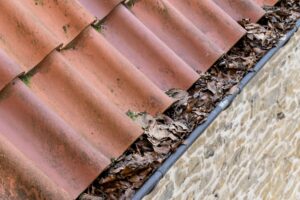
Gutters are part of the roof’s drainage system. When they clog, sag, or overflow, water can back up at the roof edge.
This can lead to fascia damage, roof edge rot, and water intrusion near eaves.
Gutter-related leak signs
- Water overflowing during rain
- Peeling paint on fascia boards
- Water stains near exterior walls
- Gutters pulling away from the house
- Wet soffits or rotten trim
Why this is common locally
Portland homes often deal with tree debris, pine needles, moss, and long wet periods. Gutters can clog quickly during the rainy season if they are not maintained.
How it is fixed
Depending on the issue, the solution may include gutter cleaning, re-pitching, hanger repair, downspout adjustment, or replacement with properly sized seamless gutters.
8. Skylight leaks
Skylights can brighten a home, but they are also common leak points when flashing fails or seals break down.
A skylight leak may come from the skylight unit itself, the flashing around it, or condensation inside the skylight assembly.
Warning signs
- Staining around the skylight frame
- Dripping during rain
- Fogging or moisture between panes
- Cracked sealant
- Water staining down the drywall shaft
How it is fixed
The repair depends on the cause. Some skylights need new flashing. Others may need resealing or replacement. If the roof is being replaced, it is often smart to evaluate whether older skylights should be replaced at the same time.
9. Aging roof materials
Eventually, roofing materials wear out. Asphalt shingles lose granules, become brittle, curl, crack, and stop sealing as effectively.
When a roof nears the end of its useful life, leaks may begin in multiple areas.
Signs age is the real problem
- Multiple leaks
- Widespread granule loss
- Curling or brittle shingles
- Several previous repairs
- Moss damage across large areas
- Roof is near or past expected lifespan
Repair or replace?
If the roof is relatively young and damage is isolated, repair may make sense. If the roof is aging and showing widespread wear, replacement is usually the more reliable investment.
What to do when you notice a leak
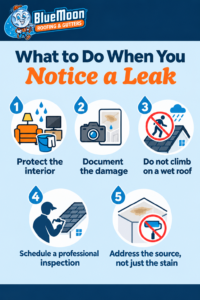
If you see a leak, act quickly.
Step 1: Protect the interior
Move furniture, electronics, and valuables away from the leak area. Use a bucket or towel to control dripping water.
Step 2: Document the damage
Take photos of ceiling stains, active dripping, attic moisture, and any visible exterior damage.
Step 3: Do not climb on a wet roof
Wet roofs are dangerous. Avoid walking on shingles, especially during rain or shortly after a storm.
Step 4: Schedule a professional inspection
A roofer can trace the water path, inspect the roof system, and recommend the correct repair.
Step 5: Address the source, not just the stain
Interior repairs should wait until the roof leak is solved. Painting over a ceiling stain before fixing the source usually means the problem will return.
Roof leak prevention checklist
Homeowners can reduce leak risk by staying ahead of maintenance:
- Clean gutters at least twice per year
- Remove debris from roof valleys
- Trim branches away from the roofline
- Treat moss before it becomes heavy
- Inspect flashing after major storms
- Check the attic for moisture or staining
- Replace cracked pipe boots promptly
- Schedule inspections every few years
Small maintenance steps often prevent the most expensive leak repairs.
When is a roof leak an emergency?
Call for urgent service if:
- Water is actively entering the home
- Ceiling drywall is sagging
- Electrical fixtures are wet
- A tree limb damaged the roof
- Multiple rooms are affected
- The leak is worsening during a storm
If water is near electrical wiring or fixtures, shut off power to that area if safe and contact the appropriate professional.
Frequently asked questions
Can a small roof leak wait?
It is risky to wait. Even a small leak can damage insulation, decking, drywall, and framing if rain continues.
Why does my roof only leak during heavy rain?
Heavy rain and wind can expose weaknesses that do not leak during lighter storms. Flashing, valleys, and lifted shingles are common causes.
Can gutters cause roof leaks?
Yes. Clogged or overflowing gutters can contribute to water backing up at the roof edge and damaging fascia, soffits, or nearby roof components.
Is a ceiling stain always caused by the roof?
Not always. Plumbing leaks, condensation, and HVAC issues can also create stains. A proper inspection helps identify the true source.
Should I repair or replace a leaking roof?
It depends on the roof’s age, condition, and extent of damage. Isolated leaks are often repairable. Multiple leaks or widespread wear may justify replacement.
Stay ahead of roof leaks before they spread
Roof leaks are easier and less expensive to fix when they are caught early. In Portland’s wet climate, small weaknesses can become major water intrusion problems quickly.
If you notice ceiling stains, missing shingles, moss buildup, clogged valleys, or water entering your attic, schedule a documented inspection before the next storm exposes the problem again.
Blue Moon Roofing & Gutters, based in Gresham, provides roof repair, leak detection, roof replacement, and gutter services for homeowners throughout the Portland metro area.