 Call Now
 Get In Touch
 Book Now

If you own a home in the Portland metro area, one of the most important questions you’ll eventually ask is: “How long will my roof last?”
The answer depends on your roofing material, installation quality, and—most importantly in the Pacific Northwest—how well your roof handles moisture, moss, and seasonal weather patterns.
This guide breaks down typical roof lifespans, what shortens or extends them, and how to get the most years out of your investment.
Quick answer: average roof lifespan by material
| Roofing Material | Typical Lifespan (Portland Area) |
|---|---|
| Asphalt shingles (architectural) | 20–30 years |
| Asphalt shingles (3-tab) | 15–20 years |
| Metal roofing | 40–70 years |
| Flat / low-slope roofing (TPO, membrane) | 20–30 years |
| Composite / synthetic roofing | 30–50 years |
These ranges assume proper installation, ventilation, and routine maintenance.
Why roofs age faster in Portland
Portland roofs face conditions that aren’t always obvious but have a big impact over time:
Constant moisture exposure
Rain, fog, and damp air keep roofs wet for long periods. This:
- Slows drying time
- Encourages moss and algae growth
- Increases risk of rot and material breakdown
Tree coverage and shade
Homes surrounded by trees stay damp longer and accumulate debris:
- Pine needles clog valleys and gutters
- Shade creates ideal moss conditions
- Falling branches can damage shingles
Seasonal temperature swings
Even mild freeze–thaw cycles can:
- Expand and contract materials
- Crack sealants
- Stress flashing and joints
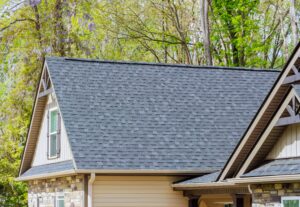
Asphalt shingle lifespan (most common in Portland)
Asphalt shingles are the most widely used roofing material in the area.
What affects their lifespan:
- Ventilation quality: Poor airflow traps heat and moisture, aging shingles faster
- Moss growth: Lifts shingle edges and holds moisture
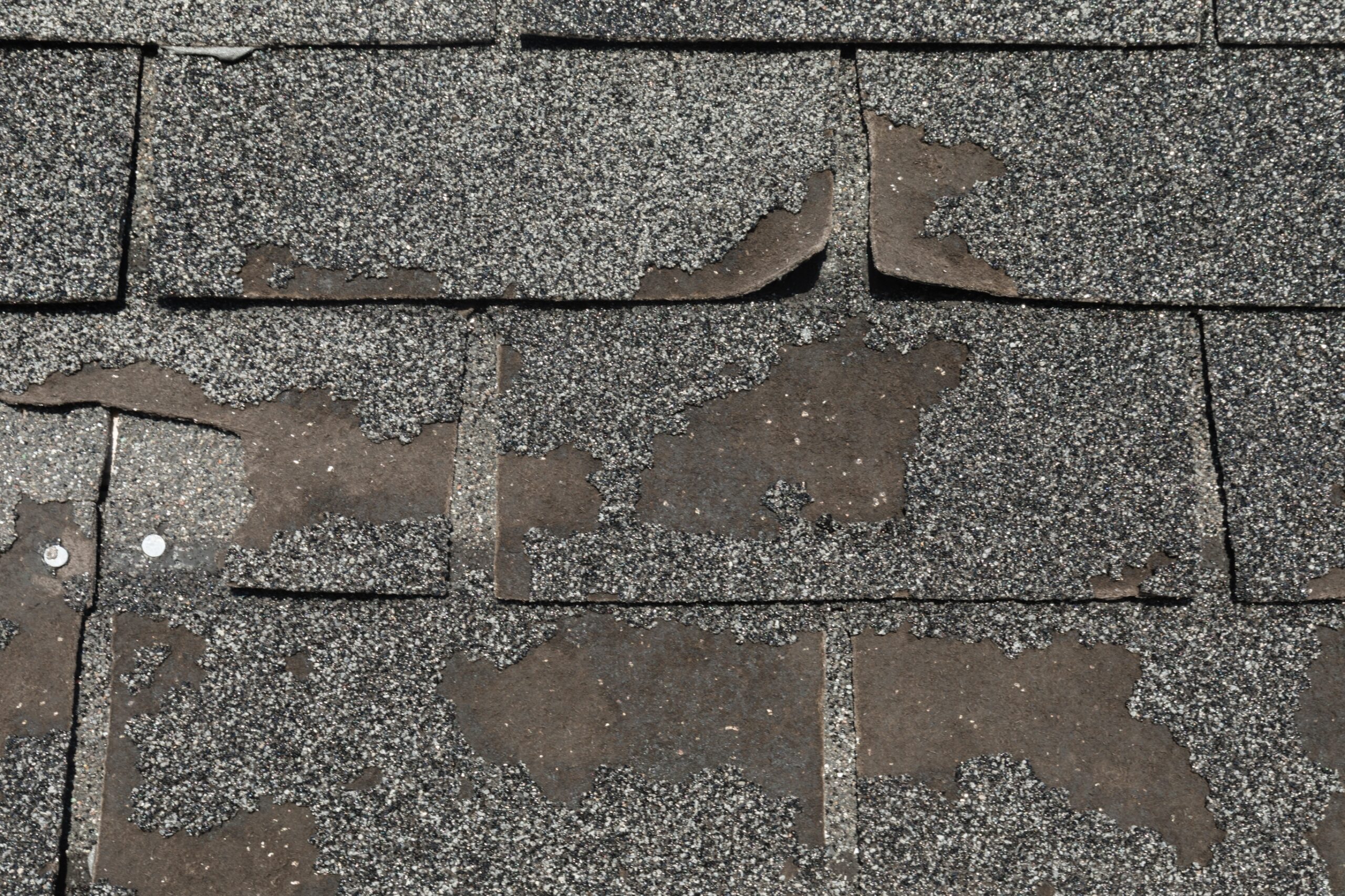
- Granule loss: Exposes asphalt to UV and weather
- Installation quality: Incorrect nailing or poor flashing shortens lifespan
Real-world expectation:
While manufacturers may advertise longer warranties, many Portland-area asphalt roofs realistically last 20–25 years depending on conditions.
Metal roofing lifespan
Metal roofing is growing in popularity due to its durability.
Why it lasts longer:
- Resistant to moisture and rot
- Sheds water and snow efficiently
- Less affected by moss compared to shingles
What still matters:
- Proper installation (clips, expansion allowances)
- Coating quality and corrosion resistance
- Flashing and penetration details
Real-world expectation:
A properly installed metal roof can last 40–70 years with minimal maintenance.
Flat and low-slope roof lifespan
Flat roofing systems are common on additions, garages, and modern homes.
Key factors:
- Drainage — standing water shortens lifespan
- Membrane quality — TPO and similar systems perform well when installed correctly
- Seams and flashing — common failure points
Real-world expectation:
Expect 20–30 years, with regular inspections to catch seam or drainage issues early.
The biggest factors that impact roof lifespan
1. Ventilation and attic conditions
Poor attic ventilation is one of the leading causes of early roof failure.
- Trapped moisture leads to mold and rot
- Heat buildup accelerates shingle aging
2. Maintenance habits
Small issues turn into big ones when ignored:
- Clogged gutters → water backup
- Debris buildup → trapped moisture
- Minor leaks → structural damage
3. Installation quality
Even the best materials fail early if installed incorrectly.
- Incorrect nail patterns
- Poor flashing details
- Inadequate underlayment
4. Storm exposure
Wind, hail, and falling branches can reduce lifespan dramatically if damage isn’t addressed quickly.
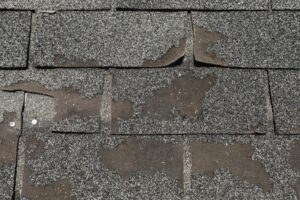
Signs your roof is nearing the end of its life
Watch for these warning signs:
- Curling or brittle shingles
- Bald spots or heavy granule loss
- Frequent or recurring leaks
- Sagging areas or soft decking
- Flashing failures around chimneys or vents
If you’re seeing multiple signs at once, it’s time to plan for replacement.
How to extend the life of your roof
Routine maintenance checklist
- Clean gutters at least twice per year
- Remove debris from valleys and roof surfaces
- Trim branches away from rooflines
- Inspect after major storms
Prevent moss growth
- Improve sunlight exposure where possible
- Use professional treatments when needed
- Keep roof surfaces clean and dry
Schedule professional inspections
- Every 3–5 years for most homes
- Immediately after severe weather
- When buying or selling a home
Repair vs. replacement — when to decide
Repair may be enough if:
- Damage is localized
- Roof is relatively new
- Structure is still sound
Replacement is likely needed if:
- Multiple leaks exist
- Shingles are failing across large areas
- Roof is near or beyond expected lifespan
Frequently asked questions
How do I know the age of my roof?
Check home records, permits, or inspection reports. If unknown, a roofing contractor can estimate based on material condition.
Do warranties mean my roof will last that long?
Not necessarily. Warranties cover defects, but real lifespan depends on environment, installation, and maintenance.
Can regular maintenance really extend roof life?
Yes. Consistent maintenance can add several years by preventing moisture buildup and catching small issues early.
Final thoughts
Your roof’s lifespan isn’t just about the material—it’s about how well it’s installed, maintained, and adapted to Portland’s climate.
Staying proactive with inspections, maintenance, and small repairs can significantly extend the life of your roof and delay the need for a full replacement.
If you’re unsure about your roof’s condition, a professional inspection can give you clarity and help you plan ahead. Blue Moon Roofing & Gutters, based in Gresham, provides photo-documented roof evaluations for homeowners across the Portland metro area.