 Call Now
 Get In Touch
 Book Now

When a roof starts leaking, losing shingles, or showing signs of age, most homeowners ask the same question: Can this be repaired, or do I need a new roof?
The answer depends on the condition of the roof, the age of the materials, the extent of the damage, and whether small repairs will actually solve the underlying problem. In Portland and the surrounding metro area, wet weather, moss growth, clogged gutters, and wind-driven rain can make this decision even more important.
A small repair may be the right move if the issue is isolated. But repeated repairs on an aging roof can become a costly cycle that delays the inevitable and increases the risk of interior water damage.
This guide explains how to think through the decision clearly.
The quick answer
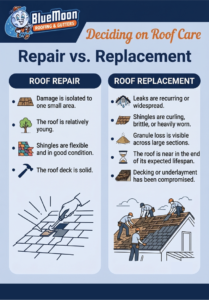
Roof repair usually makes sense when:
- Damage is isolated to one small area
- The roof is relatively young
- Shingles are still flexible and in good condition
- The roof deck is solid
- Flashing or pipe boots are the main issue
Roof replacement usually makes sense when:
- Leaks are recurring or widespread
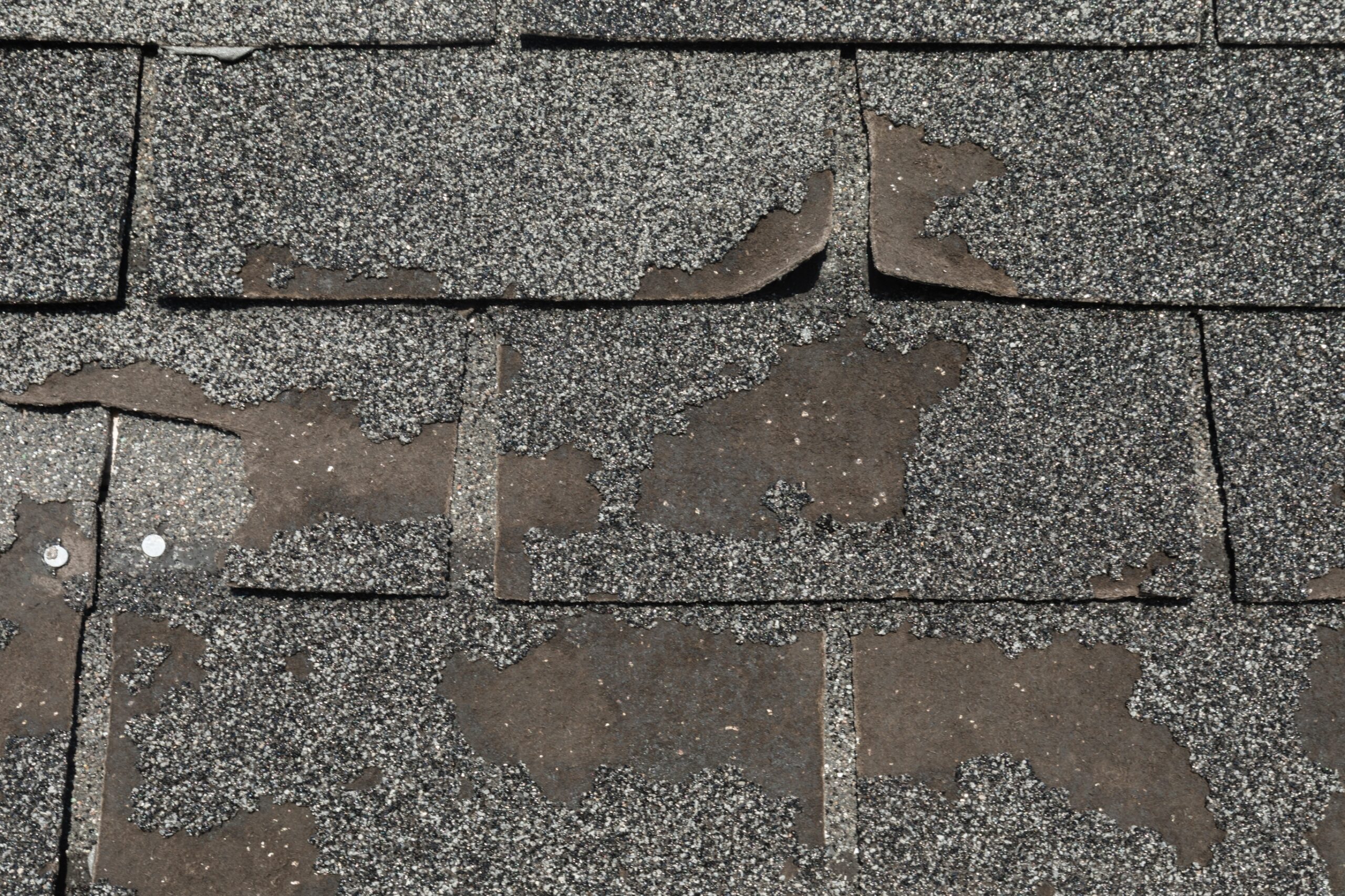
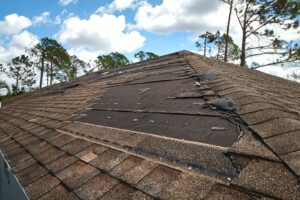
- Shingles are curling, brittle, or heavily worn
- Granule loss is visible across large sections
- The roof is near the end of its expected lifespan
- Decking or underlayment has been compromised
- Repairs are becoming frequent
Why this decision matters in Portland
Portland-area roofs face conditions that can turn small issues into larger problems quickly.
Extended rain, tree debris, moss growth, and shaded rooflines create ideal conditions for moisture to linger. Once water finds a weak point, it can move beneath shingles, soak decking, damage insulation, and eventually show up as stains inside the home.
That means the “cheapest” short-term option is not always the most cost-effective long-term option. A proper inspection should determine whether the visible issue is truly isolated or simply the first sign of a larger roofing system failure.
When roof repair is usually the right choice
A few missing or damaged shingles
If a small number of shingles were damaged by wind or debris, repair may be enough. This is especially true when the rest of the roof is in good condition and the surrounding shingles are not brittle.
A roofer can replace the affected shingles, check the surrounding area, and confirm whether the underlayment or decking was exposed long enough to create a moisture issue.
A leaking pipe boot
Pipe boots are one of the most common roof leak sources. The rubber seal around a plumbing vent can crack or deteriorate over time, allowing water to enter around the pipe.
If the surrounding shingles and decking are healthy, replacing the pipe boot is typically a straightforward repair.
Localized flashing failure
Flashing protects vulnerable transition points such as chimneys, skylights, walls, and roof valleys. If one flashing detail is failing but the roof surface itself is still healthy, a targeted flashing repair may solve the problem.
The key is making sure the repair addresses the actual water path, not just the visible stain inside the house.
Minor storm damage
Small storm-related problems can often be repaired if they are caught quickly. Examples include lifted shingles, a damaged ridge cap, or debris impact in one area.
The important step is documentation. Photos and a written inspection report help determine whether the damage is isolated or part of a broader issue.
When roof replacement is usually the better investment
Multiple leaks in different areas
One leak may be a repair. Multiple leaks in different parts of the home often indicate broader system failure.
This could mean the shingles are aging, the underlayment is failing, flashing details are compromised, or the roof deck has absorbed moisture over time.
At that point, repeated spot repairs may cost more than planning a proper replacement.
Widespread granule loss
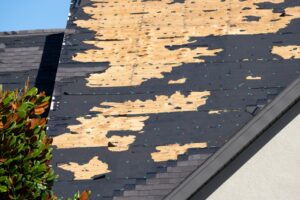
Asphalt shingles rely on granules to protect the asphalt layer from sun and weather exposure. If you see large amounts of granules in gutters, downspouts, or at the base of the home, the shingles may be losing their protective surface.
A few granules are normal. Widespread or accelerating granule loss usually means the roof is nearing the end of its service life.
Curling, cupping, or brittle shingles
Shingles should lay flat and remain flexible enough to perform during wind and rain. If edges curl upward, centers cup, or shingles crack when handled, they are no longer providing reliable protection.
This is especially important in Oregon’s rainy climate because lifted edges allow wind-driven rain to get beneath the surface.
Moss has damaged the shingle surface
Moss is common in Portland, but heavy moss growth can shorten roof life. Moss traps moisture, lifts shingle edges, and can hide surface damage.
If moss is light and the shingles underneath are still intact, cleaning and treatment may help. If moss has caused widespread granule loss, lifted tabs, or soft decking, replacement may be the better solution.
The roof is near the end of its lifespan
Even if a roof is not actively leaking, age matters. Many asphalt shingle roofs last roughly 20–30 years depending on material quality, installation, ventilation, and maintenance.
If your roof is already near that range and you are facing a meaningful repair, replacement may be more financially sensible than putting money into an aging system.
Repair vs. replacement decision table
| Roof condition | Repair may make sense | Replacement may make sense |
|---|---|---|
| One small leak | Yes | Not usually |
| Multiple leaks | Sometimes | Often |
| A few missing shingles | Yes | Not usually |
| Widespread shingle wear | No | Yes |
| Pipe boot leak | Yes | Not usually |
| Extensive granule loss | Rarely | Yes |
| Sagging or soft decking | No | Yes |
| Roof under 10 years old | Often | Only if severe damage |
| Roof 20+ years old | Sometimes | Often |
| Recurring repair calls | Rarely | Yes |
The hidden costs of delaying replacement
Delaying replacement can make sense if the roof still has useful life left. But if the roof is already failing, postponing the project can create secondary damage.
Common problems caused by waiting too long include:
- Wet insulation
- Ceiling stains
- Mold or mildew
- Rotted roof decking
- Damaged fascia
- Interior drywall repairs
- Higher future replacement costs
A roof replacement is expensive, but water damage inside the home can make the total cost much higher.
Why a professional inspection matters
A good roof inspection should look beyond the obvious surface issue. The roofer should evaluate:
- Shingle condition
- Granule loss
- Roof valleys
- Flashing details
- Pipe boots and penetrations
- Ridge caps
- Gutters and drainage
- Attic moisture
- Roof decking condition where visible
The best inspections include photos so the homeowner can see exactly what the contractor sees.
Questions to ask before approving a repair
Before you approve a roof repair, ask:
- Is the damage isolated or part of a larger pattern?
- How old is the roof?
- Are the surrounding shingles still flexible and serviceable?
- Is there any sign of soft decking or moisture intrusion?
- Will this repair solve the cause or just the symptom?
- How long should I reasonably expect this repair to last?
- Would the repair affect any warranty coverage?
These questions help prevent spending money on a repair that only delays a replacement by a few months.
Questions to ask before approving a replacement
If replacement is recommended, ask:
- What materials are being proposed?
- Will the old roof be fully torn off?
- How will the roof deck be inspected?
- What underlayment and ice/water protection will be used?
- How will flashing be handled?
- What ventilation improvements are included?
- What workmanship warranty is provided?
- How long will the project take?
A strong replacement proposal should clearly explain the full system, not just the shingles.
How gutters factor into the decision
Gutters are not the roof covering, but they have a major impact on roof performance. Poor drainage can make roofing problems worse.
Clogged, sagging, or undersized gutters can cause water to back up at the roof edge, overflow near fascia boards, and contribute to moisture problems around the home.
If you are replacing your roof, it is a smart time to inspect the gutter system as well. In some cases, new gutters or adjusted downspouts can help protect the investment in the new roof.
Portland-specific warning signs to watch for
Because of the local climate, homeowners should pay close attention to:
- Moss buildup on shaded roof slopes
- Pine needles collecting in valleys
- Granules washing into gutters after storms
- Ceiling stains after long rain events
- Water overflowing behind gutters
- Repeated leaks around chimneys or skylights
- Dark staining or mildew in attic spaces
These issues do not always mean replacement is required, but they should be inspected promptly.
Frequently asked questions
Can a roof leak be repaired without replacing the whole roof?
Yes. Many roof leaks can be repaired if the source is isolated and the roof is otherwise in good condition. Common examples include pipe boot leaks, small flashing failures, and a few missing shingles.
How do I know if my roof is too old to repair?
Age alone does not decide the issue, but if your roof is near the end of its expected lifespan and has widespread wear, replacement is often the better investment.
Is it worth repairing a 20-year-old roof?
Sometimes. If the roof is generally sound and the issue is isolated, repair may be reasonable. If the roof has multiple leaks, curling shingles, or major granule loss, replacement is usually more practical.
Should I replace gutters when I replace the roof?
Not always, but it is a good time to inspect them. If gutters are leaking, sagging, undersized, or poorly pitched, replacing or upgrading them during a roofing project can improve long-term water management.
What is the best way to decide?
Get a photo-documented inspection. A good contractor should show whether the issue is isolated, explain the remaining life of the roof, and provide honest repair and replacement options when both are possible.
Making the right choice for your home
The best decision is not always the cheapest option today. It is the option that protects your home, avoids unnecessary repeat repairs, and gives you confidence through the next rainy season.
If the damage is small and the roof is healthy, repair may be the right move. If the roof is aging, leaking repeatedly, or showing widespread wear, replacement may save money and stress over time.
Blue Moon Roofing & Gutters, based in Gresham, provides roof inspections, roof repair, roof replacement, and gutter services for homeowners throughout the Portland metro area.