 Call Now
 Get In Touch
 Book Now

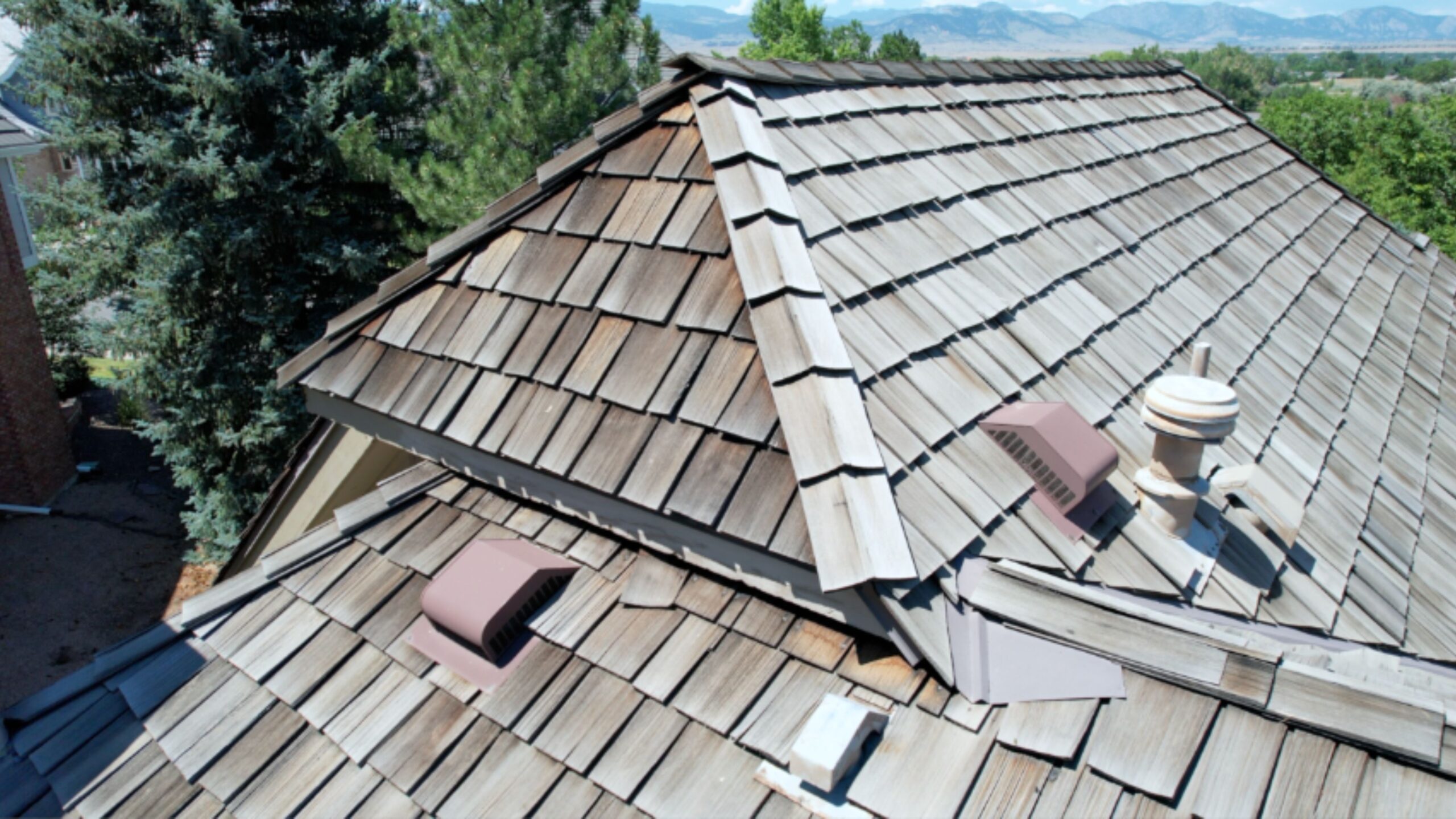
A roof is one of the largest investments you’ll make in a house. Catching warning signs early can save you from interior damage, higher repair bills, and headaches. This guide explains the seven most common indicators that a roof likely needs replacement — what each sign means, how urgent it is, and practical next steps for Portland-area homeowners.
Quick summary
If you spot any of these — especially multiple items on the list — schedule a professional inspection:
-
Repeated or widespread leaks
-
Large areas of granule loss or bald spots
-
Shingles that are curled, cupped, or brittle
-
Multiple missing shingles or extensive wind damage
-
Rotting or soft roof decking (sagging)
-
Flashing failures around chimneys, skylights, or walls
1. Repeated or widespread leaks
What to look for: Water stains on ceilings or walls, brown spots, peeling paint, or mold in the attic or top-floor rooms.
What it means: A single isolated leak can often be repaired. But repeated leaks, multiple leak locations, or leaks that reappear after repairs usually point to systemic problems — failing underlayment, multiple flashing failures, or advanced shingle deterioration.
Urgency: High. Water intrusion quickly damages insulation, framing, electrical systems, and finishes.
Next steps: Document leaks with photos, minimize interior damage (contain drips, move valuables), and schedule a contractor inspection. If the attic shows widespread wet insulation or rotted sheathing, plan for roof replacement rather than repeated repairs.
2. Large areas of granule loss or bald spots
What to look for: Dark patches on shingles where granules are missing, heavy granule deposits in gutters after rain, or felt/black asphalt showing through.
What it means: Granules protect the asphalt from UV and weather. Widespread granule loss accelerates aging and indicates the shingle surface is nearing end of life (or was damaged by hail).
Urgency: Moderate to high depending on extent. Small patches can be monitored; widespread loss typically justifies replacement.
Next steps: Have a pro inspect for impact damage or long-term wear. If granule loss covers large roof areas, replacement is the most durable option.
3. Curled, cupped, or brittle shingles
What to look for: Shingles whose edges pull up (curled), whose centers rise (cupped), or shingles that crumble when flexed.
What it means: These patterns usually mean the shingle has aged, lost flexibility, or been compromised by repeated moisture/heat cycles or poor ventilation. Curled shingles lift in wind and let water access the underlayment.
Urgency: Moderate. A few damaged shingles can be repaired; broad curling means the roof is near end of life.
Next steps: Inspect attic ventilation and insulation levels (excess heat/moisture speeds degradation). Budget for a replacement if curling is widespread.
4. Multiple missing shingles or evidence of wind/hail damage
What to look for: Missing tabs, torn shingles, shingles lifted at edges, or dented shingles and metal flashings.
What it means: Weather events can remove protective surface layers and leave the roof vulnerable. If damage is widespread or the shingles are older, insurance and long-term performance favor replacement.
Urgency: Variable. If the damage is localized and the deck is sound, repairs may suffice. If many shingles are gone or underlying layers are exposed, plan for replacement.
Next steps: Photograph damage, save pieces if possible, and get a documented inspection. If an insurance claim applies, coordinate contractor and adjuster inspections.
5. Sagging rooflines or rotted decking
What to look for: Roof deck that looks uneven from the exterior, sagging areas, or soft spots when walking in the attic.
What it means: Structural issues like rot, prolonged moisture, or failed supports. This is more than a shingle problem — the substrate is compromised and a simple overlay or patch is unsafe.
Urgency: Very high. Structural issues are a safety risk.
Next steps: Arrange a professional evaluation immediately. Expect a tear-off and replacement and repairs to framing or decking as needed.
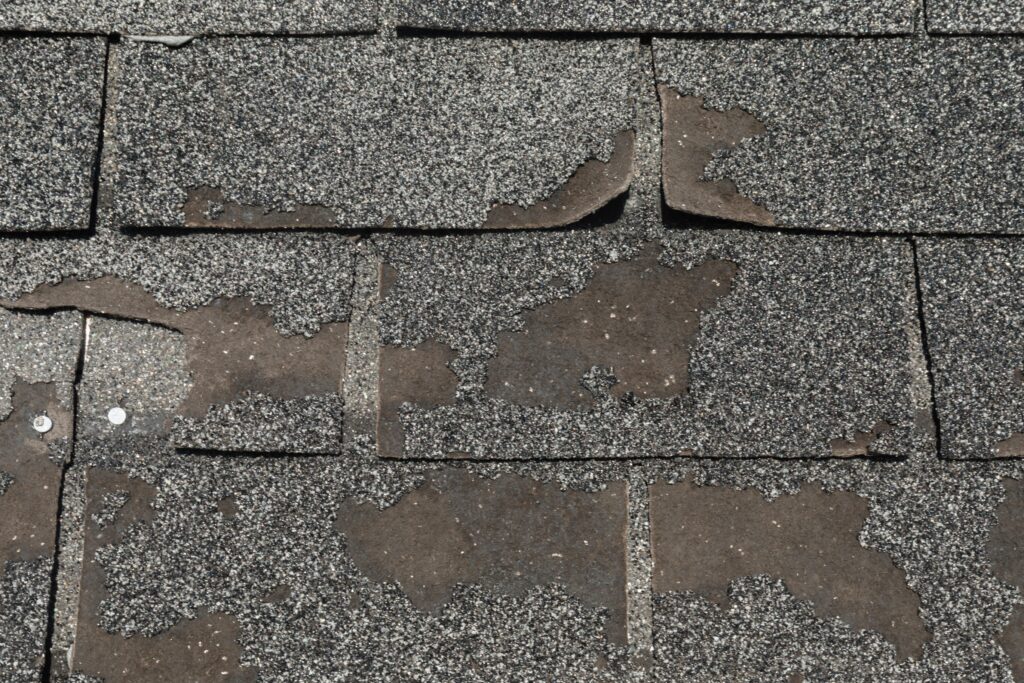
6. Flashing failure and leaks around penetrations
What to look for: Leaks concentrated around chimneys, skylights, dormers, plumbing vents, or where roof meets walls.
What it means: Flashing is a common failure point. If the flashing is failing in several locations (or multiple types of penetrations), the roof system as a whole may be aging or was improperly detailed originally.
Urgency: Moderate to high depending on spread. Replacing flashing in a single area is a repair; widespread flashing failures often accompany aged roofs and argue for replacement.
Next steps: Have flashing examined during an inspection. If the roof is otherwise in good shape and flashing is the only issue, targeted repairs may be appropriate. If flashing failures are grouped with aged shingles, replacement is wise.
7. Roof age and remaining useful life
What to look for: Know the material and install date. Asphalt architectural shingles typically last 20–30 years; older 3-tab shingles lifespan is shorter.
What it means: Even without obvious failures, roofs nearing the end of their expected life will begin to fail more often. Age compounds other indicators; an older roof with minor problems will likely need replacement sooner rather than later.
Urgency: Planning-level — but prioritize inspection and budgeting if the roof is within 5 years of typical lifespan or showing any other signs above.
Next steps: Get a professional roofing assessment in the Portland area and a timeline for replacement. If you plan to sell in the near term, replacing an aging roof can improve curb appeal and buyer confidence.
Combined signs — when repair is not enough
If you notice two or more of the signs above — for example, granule loss + multiple leaks, or curling shingles + sagging deck — that combination usually means replacement is the sensible long-term solution. Repeated spot repairs one after another quickly approach the cost of a new roof and leave you exposed to more interior damage risk.
What to expect during a professional inspection
-
A roofer will inspect shingles, flashings, valleys, chimneys, vents, gutters, and the attic.
-
They’ll look from the ground, on the roof (when safe), and inside the attic for leak traces.
-
Expect a photo report, documented recommendations (repair vs. replace), and if replacement is needed, a clear scope of work (tear-off, underlayment, flashing, ventilation, cleanup).
Homeowner checklist: prepare for inspection or replacement
-
Photograph visible issues and note locations.
-
Move vehicles and outdoor items away from the work side.
-
Protect sensitive landscaping or flag irrigation heads.
-
Keep any product paperwork if you have it (helps with warranty questions).
-
Ask for a written estimate that shows quantities and scope — not just hourly or vague descriptions.
Frequently asked questions
Q: Can I just reroof over my existing shingles to save money?
A: Many jurisdictions and manufacturers limit overlays. Overlays can hide deck problems and often shorten the life of the new layer. If the deck or shingles are compromised, a full tear-off is usually the better option.
Q: How quickly should I act if I find one of these signs?
A: For leaks, sagging, or visible decking issues — call a pro urgently. For granule loss or age-related concerns, schedule an inspection and budget for replacement within months to a few years depending on severity.
Q: Will insurance cover replacement after storm damage?
A: If wind, hail, or fallen trees caused the damage and you have appropriate coverage, an insurance claim may cover replacement minus your deductible. Document everything and coordinate with your contractor and insurer.
Final note
Early detection and timely action protect your home and wallet. If you’re in the Portland metro area and suspect any of these signs, schedule a photo-documented inspection with a licensed local roofer to get clear recommendations and a plan that fits your timeline and budget.