 Call Now
 Get In Touch
 Book Now


A little preventive care goes a long way in the Pacific Northwest. With wet winters, heavy tree cover, and frequent storms, Portland-area roofs face challenges other climates don’t. This checklist gives you the simple, high-value maintenance steps that reduce leaks, extend roof life, and keep repair bills down.
Quick checklist — do these first
-
Clear gutters and downspouts.
-
Remove loose debris from valleys and low slopes.
-
Trim overhanging branches 6–8 feet from the roof.
-
Inspect visible flashings around chimneys, skylights, and vents.
-
Check the attic for signs of leaks or mold.
1 — Inspect gutters and downspouts (every spring & fall)
Blocked gutters are the #1 source of avoidable roof problems. In Portland, needles and moss-blown debris clog gutters fast.
-
Check hangers and pitch — gutters should slope toward downspouts (≈¼” per 10 ft).
-
If you have many trees, consider micro-mesh guards or schedule professional cleans twice a year.
2 — Watch for moss, algae, and debris (inspect seasonally)
Moss keeps shingles wet and accelerates wear.
-
Remove loose debris by hand or with a soft broom — never use a pressure washer.
-
For recurring moss, consider professional, shingle-safe treatment and improved sunlight (trim branches).
-
Use zinc or aluminum ridge strips only if recommended for your shingle type.
3 — Check flashings and roof penetrations (every 6 months)
Flashing failures cause the most common leaks.
-
Look for failed sealant, rusted metal, or lifting around chimneys, skylights, plumbing vents, and walls.
-
Replace failing sealant and have flashing reseated or re-fabricated if metal is corroded.
4 — Inspect attic & ventilation (annually)
A healthy attic prevents condensation, ice dams, and premature shingle aging.
-
Look for daylight at roof edges (indicates holes) and signs of moisture or mold.
-
Make sure soffit intake and ridge exhaust are clear — aim for balanced intake & exhaust.
-
If you see wet insulation or dark stains, call a pro to diagnose ventilation or leak causes.
5 — Check shingles and seams (after storms)
Wind and hail create small failures that grow into big problems.
-
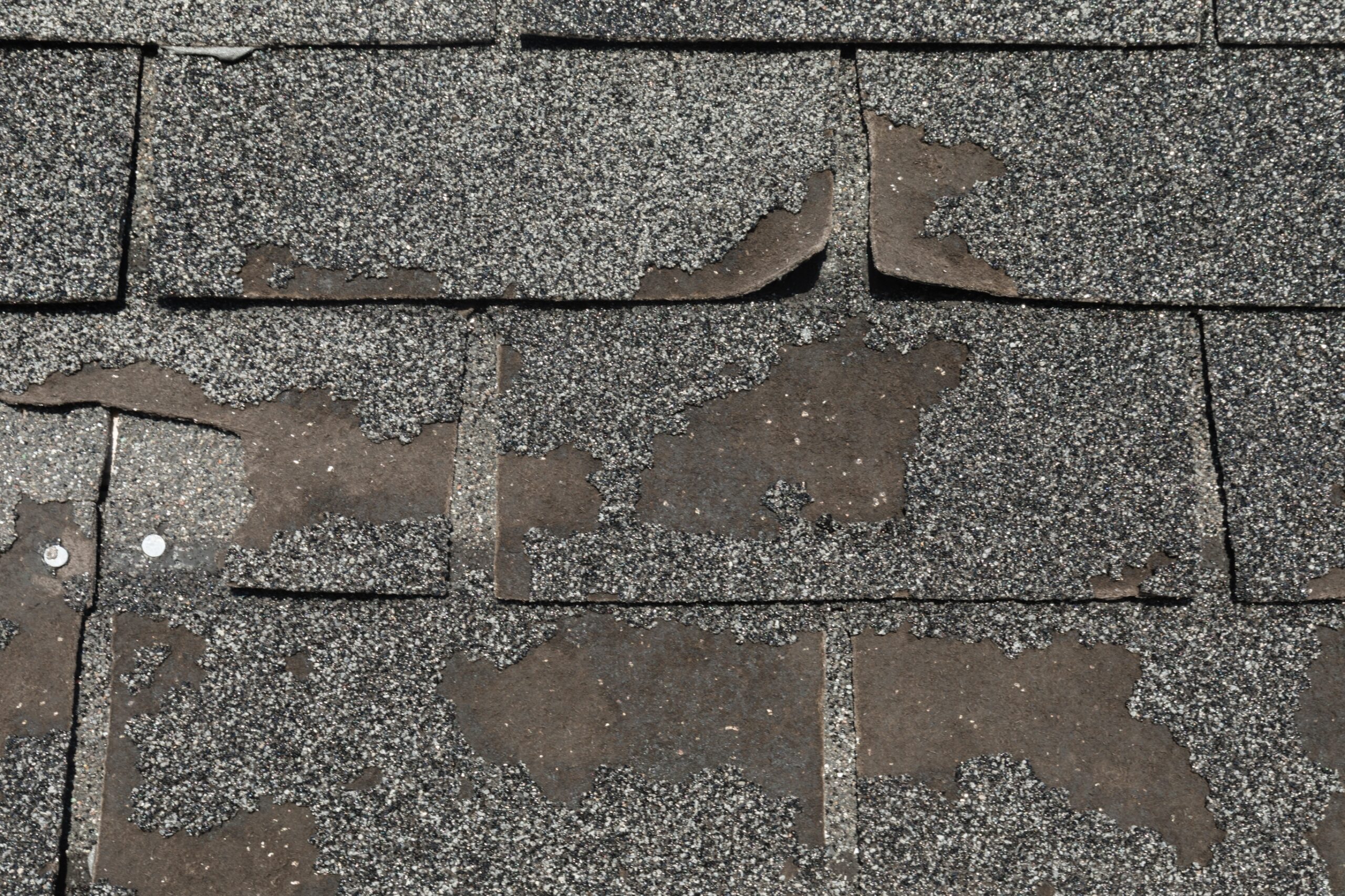
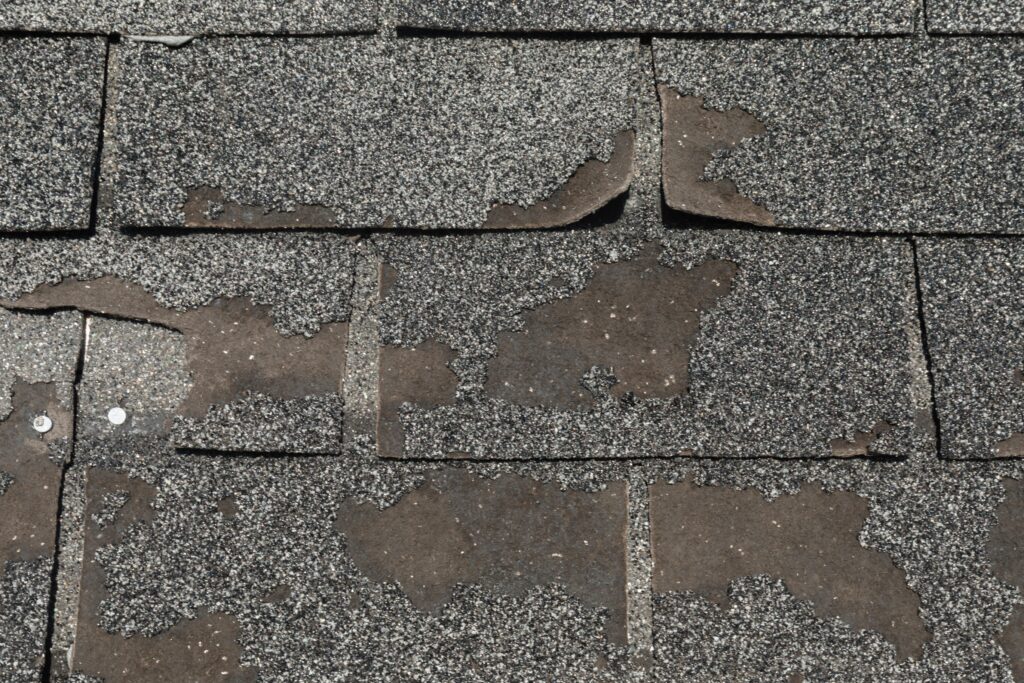
Walk the perimeter (safely) or use binoculars to look for missing tabs, lifted edges, or large granule loss.
-
Granules in gutters after a storm are an early warning sign.
-
Temporary tarping is fine for emergencies — follow up with a contractor inspection.
6 — Maintain flashing transitions & chimneys (every year)
Detail work around transitions is critical.
-
Repoint mortar at chimney bases if mortar is missing; inspect counter-flashing.
-
Inspect step flashing where roof meets vertical walls; replace split or improperly installed pieces.
7 — Keep trees trimmed and debris cleared (constant)
Overhanging branches cause abrasion, drop needles, and invite critters.
-
Trim branches back 6–8 feet from the roofline.
-
Remove sap-producing evergreens that sit over low slopes or valleys when practical.
8 — Protect landscaping before roof work (when applicable)
If you plan maintenance, cleaning, or a replacement:
-
Move potted plants and delicate beds at least 10–15 ft away, or cover with plywood.
-
Mark irrigation heads and stake sensitive features so crews can avoid damage.

9 — Schedule professional inspections (every 3–5 years)
A contractor can spot problems a homeowner will miss: small deck rot, flashing issues, and improper previous repairs.
-
Ask for photo documentation and an itemized scope.
-
If you have storm damage, get a documented inspection before filing a claim.
10 — Safety & small repairs (DIY only when safe)
-
Never climb on a steep or wet roof. Use a contractor for high or awkward roofs.
-
For minor fixes (loose flashing, a single shingle), only perform work if you have experience and fall protection. Otherwise, call a pro.
Seasonal timing — what to do when
-
Spring: Gutters, moss cleanup, attic inspection after winter.
-
Summer: Trim trees, schedule inspections and minor repairs.
-
Fall: Final gutter clean, check flashings, prep for winter storms.
-
After any major storm: Walk the property for missing shingles, granules, and damaged flashing. Photograph everything.
Red flags that need immediate attention
-
Dark streaks or stains inside ceilings after rain.
-
Significant granules in gutters after a storm.
-
Sagging roofline or visible dips in roof deck.
-
Repeated leaks at the same location.
If you see any of these, call a licensed contractor to assess structural risk and prevent interior damage.
Simple homeowner tools & techniques
-
Use binoculars for a safe roof inspection from the ground.
-
Keep a checklist log with dates and photos for warranty and insurance records.
-
Invest in a long-handled leaf rake or gutter scoop for safer debris removal from the ground where possible.
Frequently asked questions
Q: How often should I replace a roof in Portland?
A: It depends on material and exposure. Many asphalt roofs last 20–30 years, but heavy moss, poor ventilation, or storm damage can shorten that. A pro inspection will give the best timetable.
Q: Will moss ruin my roof?
A: Left unchecked, moss holds moisture and will shorten shingle life. Prompt, safe removal and shade reduction are effective.
Q: Are gutter guards worth it?
A: For tree-heavy lots they reduce maintenance and protect against blockages, but they’re not maintenance-free—guards still require some cleaning over time.
When to call Blue Moon Roofing & Gutters
If you’re in the Portland metro area and want a professional checkup, Blue Moon Roofing & Gutters (based in Gresham) offers documented roof inspections and maintenance guidance. We provide written photo reports and practical recommendations—call (503) 825-2583 to schedule.
Regular maintenance saves money and stress. Use this checklist as your baseline, add dates and photos to a roof file, and tackle small problems quickly before they become big ones.