 Call Now
 Get In Touch

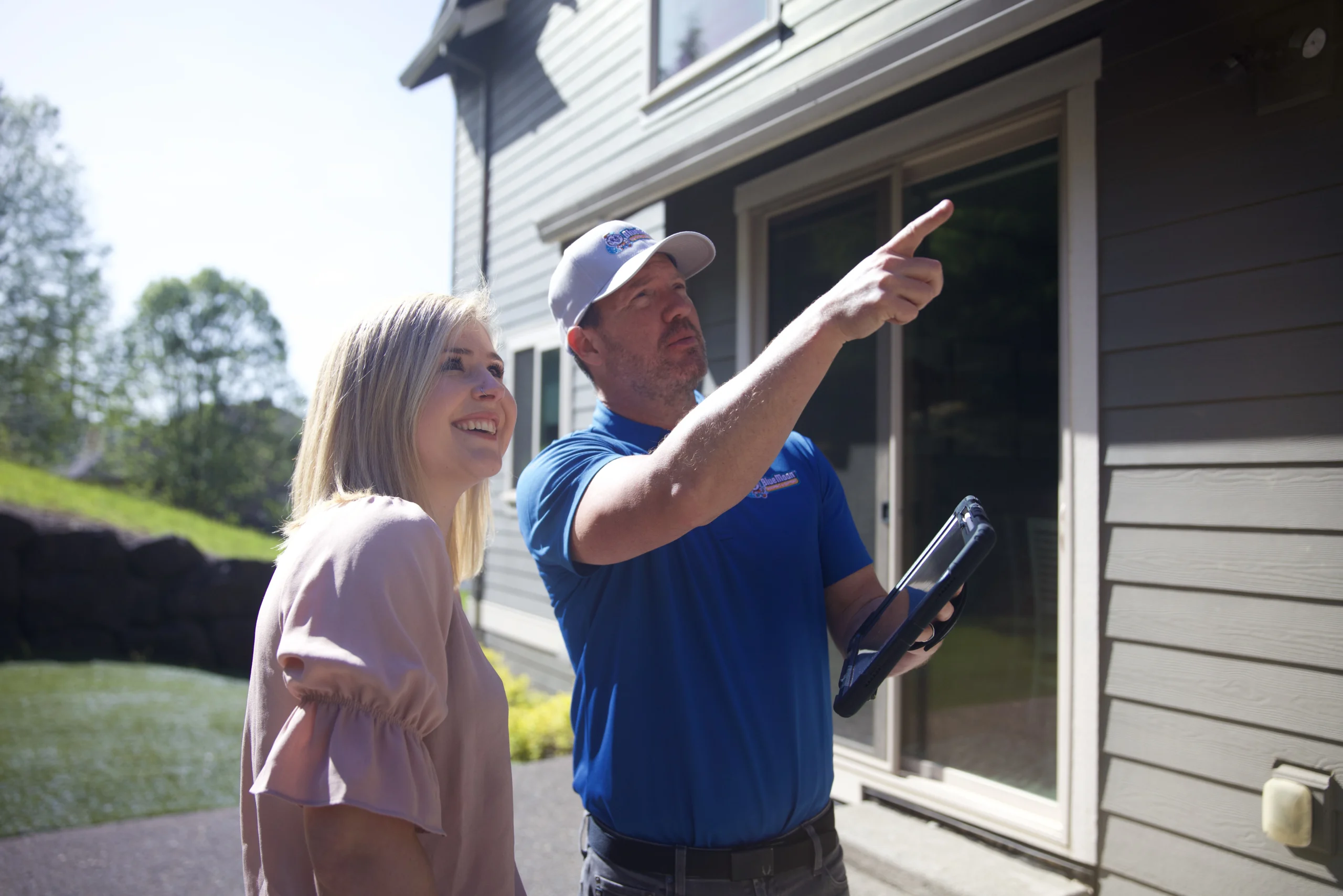
A heavy wind, hail, or falling limb can leave your roof vulnerable and your home at risk. Quick, sensible action reduces water intrusion, protects your belongings, and makes insurance claims smoother. This guide walks you through immediate steps, how to document damage, temporary protections, and when to call a licensed contractor.
First things first: safety and risk assessment
-
Stay safe. Don’t climb on a wet, icy, or damaged roof. Do not attempt repairs if you lack fall protection and experience.
-
Check inside. Look for ceiling stains, bubbling paint, wet insulation, or sagging—signs water has entered the structure. If water is pooling inside, remove valuables and call a professional immediately.
-
Turn off electricity in affected areas if water has entered rooms with outlets or fixtures. When in doubt, shut the circuit at the panel and call an electrician.
Immediate temporary protections (what you can safely do)
-
Tarping: If you have a safe way to do it, a contractor can install a blue tarp over the damaged area to keep your home dry until permanent repairs occur. Don’t try to tack a tarp loosely—improper tarping can cause more damage.
-
Move valuables: Relocate electronics, documents, and furniture away from leak paths. Protect items in attics by placing plastic sheeting over boxes if water may enter.
-
Control interior water: Place buckets under drips and use towels to catch minor leaks. Protect floors with plastic and cardboard to avoid staining.
Document everything — it matters for insurance
-
Photograph and video the damage from several angles—outside and inside. Capture wide shots and close-ups of missing shingles, dents, torn flashing, and debris.
-
Timestamped evidence: If possible, use your phone’s timestamp or take a quick video narration describing what you’re recording.
-
Save loose materials: Collect large pieces of shingles, visible granules, or parts of gutters (if safe). These are helpful for an adjuster.
-
Keep receipts for any emergency spending (tarp, hotel, temporary repairs). Insurers often reimburse reasonable emergency costs.
Contact your insurer — timing & approach
-
File a claim promptly if the damage is significant. Many policies require timely reporting.
-
Be factual and concise: provide photos, a short description of the event (time, what happened), and any immediate mitigation steps taken.
-
Avoid signing contractor paperwork immediately if an adjuster hasn’t inspected damage—some payments require the insurer’s scope first. Ask your contractor how they handle claims; experienced roofers often coordinate with adjusters.
Choosing the right contractor after a storm
-
Hire licensed and insured roofers only. Ask for their Oregon CCB number and insurance proof.
-
Get a documented inspection report with photos and a written scope; avoid verbal-only quotes.
-
Beware of high-pressure storm-chaser tactics. Reputable contractors explain scope, show credentials, and give a clear timeline.
-
Ask about temporary tarps and follow-up: some crews provide emergency tarp, then return for permanent repair/replacement once the insurer’s scope is agreed.
What the contractor will typically do
-
Full inspection: Check decking, flashing, valleys, vents, and gutters for hidden damage.
-
Document & estimate: Produce a detailed estimate and photo report for you and your insurer.
-
Temporary stabilization: Install tarps or temporary flashing if needed.
-
Repair or replace: Complete repairs to restore weather-tightness; may include shingle replacement, flashing repairs, or full roof replacement if damage is extensive.
-
Final cleanup: Magnetic sweep for nails, debris removal, and a final homeowner walkthrough.
Tips for working with your adjuster
-
Meet at the house together with the contractor if possible—having a professional explain damages reduces misunderstandings.
-
Ask for an itemized report from the adjuster and compare it against the contractor’s inspection. If items are missed, a written supplement from your contractor can often add to the claim.
-
Keep copies of all communications, photos, and estimates.
Repair vs. replacement — how decisions are made
-
Repair is common for isolated issues (a few missing shingles, small flashing leaks).
-
Replacement is recommended when damage is widespread, the deck is compromised, or the roof is near the end of its service life. The contractor’s deck assessment and your adjuster’s conclusions drive this decision.
Typical timelines after a storm
-
Emergency tarp / mitigation: within 24–48 hours for active leaks.
-
Inspection & written estimate: 1–7 days depending on demand and adjuster scheduling.
-
Insurance decision & scheduling: 1–3 weeks, or longer during major storm events when many claims are filed.
-
Repair or replacement: scheduling depends on contractor availability and materials; expect a few days to weeks.
Common storm damage signs to watch for
-
Missing or torn shingles; lifted edges.
-
Dents or fractures (hail) that expose fiberglass mat.
-
Granule loss visible in gutters.
-
Bent or damaged flashing and ridge caps.
-
Clogged or broken gutters and downspouts.
-
Interior stains on ceilings, peeling paint, or wet insulation.
Preventive steps to reduce future storm impact
-
Trim trees and remove weak limbs near roofs ahead of storm season.
-
Keep gutters clean to prevent ice and overflow that can worsen storm damage.
-
Install adequate ice & water barrier if you live in freeze–thaw areas.
-
Consider higher wind-rated shingles in exposed locations.
Frequently asked questions
Should I call a contractor before my insurer?
If the roof is leaking or unsafe, call a licensed contractor for emergency tarp and mitigation first, then notify your insurer. For non-urgent damage, notifying your insurer first is fine.
Can a contractor start repairs before the insurance adjuster arrives?
Contractors can perform emergency temporary work (tarps, temporary flashing). For permanent repairs, many insurers require an adjuster’s inspection first—ask your insurer and your contractor how they handle supplements and pre-inspection repairs.
How do I avoid storm-chaser scams?
Check licenses, read recent reviews, ask for local references, and don’t sign full contracts without verifying the company. Local, established roofers with written workmanship warranties and transparent insurance handling are usually the safest choice.
If you’d like a documented inspection after a storm, Blue Moon Roofing & Gutters (based in Gresham) provides photo reports, a written scope for repairs, and insurance coordination for Portland-area homeowners. Call (503) 825-2583 to schedule.