 Call Now
 Get In Touch

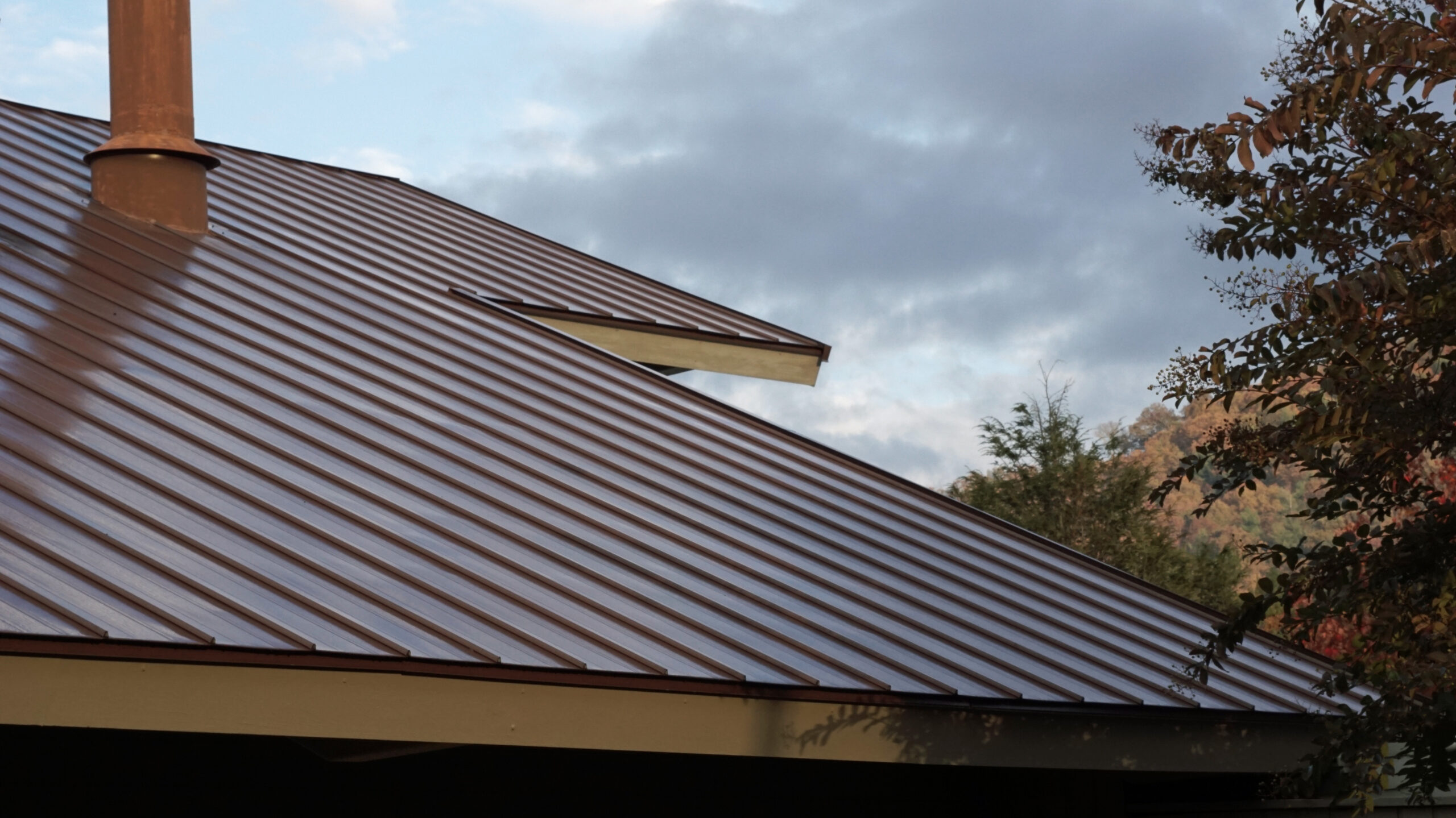
Gutters are small components with big jobs: channel rain away from your roof and foundation, protect landscaping, and keep basements dry. In the Portland metro, heavy rains, evergreen needles, and moss buildup change the calculus when choosing a gutter system. This guide explains the differences between seamless and sectional gutters, the pros and cons of each, material choices, maintenance needs, and how to decide what’s best for your home.
Quick summary
-
Seamless gutters are roll-formed on-site in long lengths with minimal joints — fewer leaks, cleaner look, higher upfront cost, and best performance for large runs.
-
Sectional (engineered) gutters are factory-made in fixed lengths joined on-site — lower cost and DIY-friendly, but more joints mean more potential leak points.
-
For Portland homes with lots of trees and moss, seamless aluminum gutters with proper slope and good downspout design generally reduce maintenance and leaks over time.
How they’re different (practical view)
Seamless gutters
-
Fabricated on-site from a coil of metal (commonly aluminum).
-
Installed in continuous runs with joints only at corners and downspout fittings.
-
Require specialized equipment and a pro installer.
Sectional gutters
-
Come in 4–10 ft sections that snap or then get fastened together.
-
Easier for homeowners or small crews to install; parts are widely available.
-
More seams and end joints along the run.
Pros and cons
Seamless gutters — pros
-
Fewer leaks: Fewer joints mean fewer points where water can seep.
-
Cleaner appearance: Continuous runs look more finished and match modern houses well.
-
Lower long-term maintenance: Less chance for joint separation; fewer repairs over time.
-
Better for long runs: Ideal for homes with eaves longer than a few sections.
Seamless gutters — cons
-
Higher upfront cost: Equipment and custom fabrication increase price.
-
Professional installation required: Not a DIY weekend job for most homeowners.
-
Material limits: Typically roll-formed in certain metals (aluminum, some steel), so options like vinyl aren’t available as seamless.
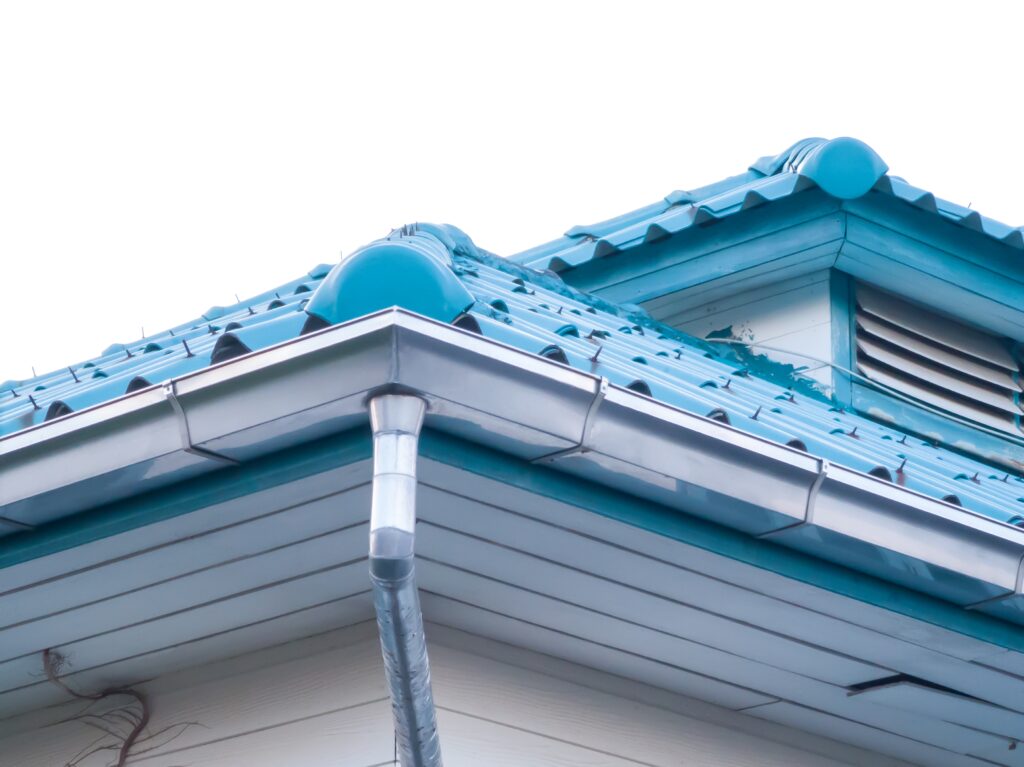
Sectional gutters — pros
-
Lower initial cost: Cheaper materials and labor make them budget-friendly.
-
DIY-friendly: Homeowners can replace sections easily without special equipment.
-
Variety of materials: Available in aluminum, vinyl, steel, and copper (though Blue Moon does not offer copper).
Sectional gutters — cons
-
More seams = more leaks: Joints can separate over time, especially with freeze–thaw cycles or in heavy storms.
-
Aesthetic seams: Visible joins may be less pleasing on higher-end homes.
-
Higher maintenance over long term: Seams can require resealing or replacement sooner than seamless runs.
Material choices and what works locally
-
Aluminum: Lightweight, corrosion-resistant, and the most common choice for seamless gutters in the Pacific Northwest. Good balance of cost and durability.
-
Galvanized or painted steel: Strong and durable but heavier and can rust where finishes fail; requires good coating and maintenance.
-
Vinyl (PVC): Low cost and DIY-friendly, but it can become brittle in cold and warp under long straight runs — less ideal for long eaves or for areas with heavy wind or sun exposure.
-
Copper: Attractive and long-lasting but expensive; not recommended if you want a lower-cost solution. Blue Moon does not install copper or specialty metals.
For most Portland-area homes, seamless aluminum with a baked-on finish is a practical, durable choice.
Gutter size, downspouts, and performance
-
Gutter profile & size: 5-inch K-style is standard for many single-family homes; 6-inch is better if your roof has large drainage areas or you need more capacity (steep slopes, long runs).
-
Downspout count & size: More downspouts give better distribution. Use 3×4 downspouts or multiple 2×3s where roof area and rainfall intensity are high.
-
Slope & pitch: Gutters should slope toward downspouts at about 1/4″ per 10 ft. Proper slope prevents standing water and debris buildup.
Maintenance in the PNW — what to expect
-
Needle and debris buildup: Evergreen needles can quickly fill gutters. Consider micro-mesh gutter guards or regular cleanings if you have many trees.
-
Moss & algae: Moss can grow at slow-flowing areas like valleys and low-slope gutters. Keep gutters clean and ensure water moves freely to downspouts.
-
Cold weather: Freeze–thaw cycles can stress seams; seamless joints reduce this risk.
-
Inspection frequency: Clean at least twice a year if you have trees nearby; more often if you notice buildup. After storms, check for clogs and sagging.
Gutter guards — helpful or not?
Gutter guards reduce debris entry but aren’t maintenance-free. In Portland:
-
Micro-mesh guards block fine needles and shingle grit and are effective when paired with a properly sized seamless system.
-
Brush or foam guards reduce large debris but can trap fine organic matter and promote moss growth beneath them.
-
Choose guards with a proven local track record and make sure guards are compatible with your gutter profile.
Cost considerations (what affects price)
-
Seamless vs sectional materials — seamless tends to cost more than sectional up front.
-
Length and complexity of eaves — many corners, gutters behind railings, or unusual rooflines add labor.
-
Downspout count and routing — burying lines, extensions, or daylighting adds cost.
-
Landscape protection & cleanup — extra care around delicate plantings or steep properties raises labor time.
-
Gutter guards — add to upfront cost but can reduce cleaning frequency.
Decision checklist — what to choose for your Portland home
-
Do you have long, continuous eaves or many corners? → Seamless is typically best.
-
Do you want the lowest initial cost and possible DIY replacement? → Sectional may fit.
-
Are there many trees with fine needles? → Seamless + micro-mesh guards reduces cleaning frequency.
-
Is aesthetic or curb appeal a priority? → Seamless gives a cleaner look.
-
Do you need extra capacity for heavy roof runoff? → Use 6-inch seamless or multiple downspouts.
Installation and inspection tips
-
Confirm the installer uses stainless or coated fasteners and hangers spaced per manufacturer recommendations (typically every 24–36 inches).
-
Ask for a slope and downspout plan so water is discharged away from foundations and plantings.
-
Request a post-install inspection and magnetic sweep for nails if a roof tear-off occurred recently.
-
If you add guards, verify they are installed to allow water entry while blocking debris and that they are removable for cleaning.
Frequently asked questions
Will seamless gutters eliminate all leaks?
No system is 100% leak-proof, but seamless gutters substantially reduce the number of joints — and therefore points of failure — compared to sectional systems.
Are gutter guards worth the investment?
For tree-heavy lots, micro-mesh guards often pay back in reduced cleaning frequency and fewer clogs, but guards still need occasional checks and are not completely maintenance-free.
Can I install seamless gutters myself?
Seamless systems require a roll-forming machine and skill to measure and install—professional installation is recommended.
Seamless aluminum gutters paired with the right number of downspouts and quality micro-mesh guards are a reliable, low-maintenance solution for many Portland-area homes. Sectional gutters remain a competent, lower-cost option for smaller roofs or where budget and DIY flexibility matter.
For an on-site recommendation tailored to your rooflines and landscape, Blue Moon Roofing & Gutters (based in Gresham) offers measured estimates, professional installation, and gutter maintenance plans. Call (503) 825-2583 to schedule a free assessment.