 Call Now
 Get In Touch
 Book Now


If you live in Oregon, especially around Portland, Gresham, Beaverton, Lake Oswego, or other tree-heavy neighborhoods, your gutters probably deal with more than just rain. Leaves, fir needles, moss, roof grit, small branches, and organic debris can collect quickly—especially during fall and winter.
That leads many homeowners to ask: Do gutter guards actually work?
The honest answer is: yes, gutter guards can work very well when they are properly matched to your home, your tree coverage, and your gutter system—but they are not a “never clean your gutters again” solution.
This guide explains how gutter guards work, which types are most effective in Oregon, when they are worth the investment, and what homeowners should know before installing them.
Why gutter guards matter in Oregon
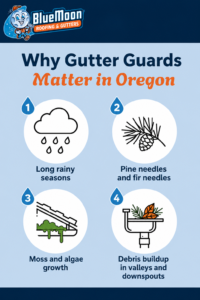
Oregon homes face a specific combination of conditions that make gutter maintenance more demanding:
- Long rainy seasons
- Mature trees and dense canopy coverage
- Pine needles and fir needles
- Moss and algae growth
- Heavy roof runoff during storms
- Debris buildup in valleys and downspouts
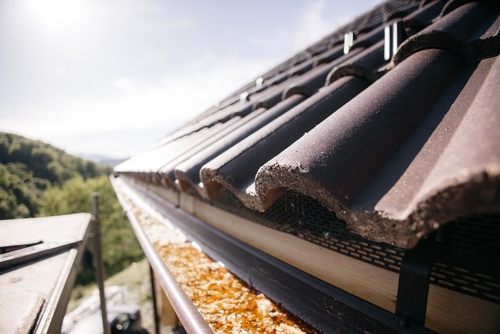
In Portland-area neighborhoods, gutters can clog quickly even if they were cleaned recently. Once water stops flowing properly, it can overflow near the roofline, back up behind fascia boards, spill onto siding, or collect near the foundation.
A quality gutter guard system helps reduce the amount of debris entering the gutter, which can reduce clogs and improve drainage performance.
What gutter guards are designed to do
Gutter guards are installed over or inside your gutters to block leaves and debris while still allowing rainwater to flow into the system.
A good gutter protection system should:
- Reduce debris buildup inside the gutter
- Help prevent downspout clogs
- Improve water flow during heavy rain
- Reduce cleaning frequency
- Protect fascia boards from overflow-related moisture
- Extend the useful life of the gutter system
The goal is not to eliminate maintenance completely. The goal is to make the system easier to maintain and less likely to fail during storms.
What gutter guards do not do
Gutter guards are often oversold. Homeowners should be realistic about what they can and cannot solve.
Gutter guards do not:
- Make gutters maintenance-free forever
- Fix undersized gutters
- Correct poor gutter pitch
- Repair sagging or damaged gutters
- Solve bad downspout placement
- Prevent moss from growing on the roof itself
- Stop all fine debris in every condition
If the existing gutter system is poorly installed, too small, or already damaged, guards should not be treated as the only fix. In many cases, the gutters should be repaired, re-pitched, cleaned, or replaced before guards are added.
The best gutter guards for Oregon homes
Not all gutter guards perform the same. In the Pacific Northwest, the biggest challenge is fine debris—not just large leaves.
Micro-mesh gutter guards
Micro-mesh guards are often the best fit for Oregon homes because they are designed to block small debris such as needles, shingle grit, and fine organic material.
They usually include a fine stainless-steel or similar screen that sits over the gutter opening while allowing water to pass through.
Best for:
- Pine needles
- Fir needles
- Small leaves
- Roof grit
- Tree-heavy lots
- Homes that clog frequently
Micro-mesh guards are typically the strongest option for Portland-area homes with evergreen trees nearby.
Screen gutter guards
Screen guards use larger openings than micro-mesh products. They can block large leaves but may allow smaller debris to enter.
Best for:
- Homes with larger leaf debris
- Lower-debris properties
- Budget-conscious installations
They may not be ideal for homes surrounded by fir trees or fine needle debris.
Foam gutter inserts
Foam inserts sit inside the gutter and allow water to pass through while blocking some debris.
Potential drawbacks:
- Fine debris can collect on top
- Organic matter may break down and compact
- Moss or seedlings may develop in some conditions
- They can reduce gutter capacity if not maintained
For Oregon homes, foam inserts may require more attention than homeowners expect.
Brush gutter guards
Brush guards look like large pipe-cleaner-style inserts placed inside the gutter.
Potential drawbacks:
- Needles and leaves can get trapped in the bristles
- Cleaning may still be necessary
- Debris can sit on top of the brush and decompose
Brush guards may be easy to install, but they are not always the most reliable long-term solution for heavy-debris areas.
Reverse-curve gutter guards
Reverse-curve systems use water surface tension to direct rain into the gutter while shedding leaves over the edge.
Potential drawbacks:
- Heavy rain may overshoot the gutter
- Debris can collect along the front edge
- They may be more visible from the ground
- Performance depends heavily on roof pitch and installation
They can work in some settings, but they are not always the best match for every Oregon roofline.
Gutter guards vs. gutter cleaning
Gutter guards are not a replacement for every form of maintenance. Instead, they reduce how often full cleanings are needed.
Without guards, many Portland-area homes need gutter cleaning:
- At least twice per year
- More often if surrounded by trees
- After major storms or leaf drop
- When moss and roof debris are heavy
With quality gutter guards, many homeowners can reduce the frequency of full gutter cleanings, though periodic inspections are still important.
A better way to think about it:
Without gutter guards: cleanings are usually more frequent and more intensive.
With gutter guards: maintenance becomes more about inspection, rinsing, and clearing the guard surface when needed.
When gutter guards are worth it
Gutter guards make the most sense when the home has clear debris or drainage challenges.
They are often worth considering if:
- Gutters clog more than once or twice per year
- Your home is surrounded by trees
- Pine or fir needles are a recurring problem
- Downspouts clog during storms
- Water overflows during heavy rain
- You want to reduce ladder work
- You recently installed new seamless gutters
- You want to protect fascia, siding, and foundation areas
For many Oregon homeowners, the strongest case for gutter guards is not convenience—it is water damage prevention.
When gutter guards may not be enough
There are situations where gutter guards alone will not solve the problem.
You may need gutter repair or replacement first if:
- Gutters are pulling away from the fascia
- Sections are sagging or holding standing water
- Seams are leaking
- Downspouts are undersized
- Water drains too close to the foundation
- Gutters overflow even when clean
- The system is too small for the roof area
In these cases, installing guards over a failing system can hide the problem rather than fix it.
A professional evaluation should look at the entire system: gutter size, slope, downspout placement, roof runoff volume, and existing damage.
Why seamless gutters pair well with gutter guards
Gutter guards work best when installed on a gutter system that is already in good condition.
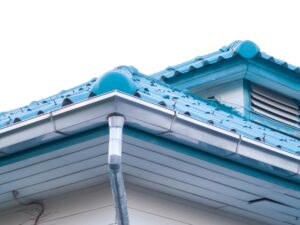
Seamless aluminum gutters are a strong match because they have fewer joints, fewer leak points, and a cleaner profile for guard installation.
Benefits of combining seamless gutters and gutter guards include:
- Fewer seams where leaks can develop
- More consistent water flow
- Better long-term drainage performance
- Lower maintenance needs
- Cleaner appearance
- Improved protection during heavy rain
If your gutters are older, leaking, or sagging, it may make more sense to replace them with seamless gutters and add guards at the same time.
Gutter guard installation considerations
Proper installation matters. A good gutter guard system should not interfere with roof shingles, block water flow, or create new maintenance issues.
Key installation factors include:
- Gutter condition
- Gutter size
- Roof pitch
- Downspout capacity
- Fascia condition
- Tree coverage
- Debris type
- Existing drainage issues
The installer should also check that water can still enter the gutter during heavy rain. A guard that blocks debris but causes water to overshoot the gutter is not solving the problem.
What homeowners should ask before installing gutter guards
Before moving forward, ask these questions:
- What type of gutter guard is best for my tree coverage?
- Will this guard block pine and fir needles?
- Will my gutters be cleaned before installation?
- Are my gutters properly pitched?
- Do I need additional downspouts?
- Will guards reduce capacity during heavy rain?
- Can the guards be removed for maintenance if needed?
- What warranty applies to the guards and installation?
- Are my gutters in good enough condition for guards?
The answers will help you avoid installing the wrong system for your home.
Common gutter guard myths
Myth 1: Gutter guards mean you never clean your gutters again
Not true. Gutter guards reduce debris buildup, but leaves, moss, and needles can still accumulate on top. Periodic inspections are still necessary.
Myth 2: All gutter guards are the same
They are not. Micro-mesh, screen, foam, brush, and reverse-curve systems perform very differently—especially in Oregon’s fine-debris conditions.
Myth 3: Gutter guards fix overflow
Not always. If overflow is caused by undersized gutters, poor slope, or clogged downspouts, those issues need to be corrected first.
Myth 4: Guards are only about convenience
Convenience is part of it, but the bigger benefit is reducing the chance of water damage caused by clogged gutters.
Signs your home may benefit from gutter guards
Consider gutter guards if you notice:
- Debris visible in gutters soon after cleaning
- Water spilling over gutter edges
- Downspouts clogging repeatedly
- Moss or seedlings growing in gutters
- Soil erosion near downspouts
- Water pooling near the foundation
- Fascia staining or peeling paint below gutters
- Frequent ladder work to keep gutters clear
These are signs that the system is struggling to manage debris and water flow.
Seasonal maintenance with gutter guards
Even with guards installed, Oregon homeowners should follow a simple seasonal routine.
Spring
- Inspect guards after winter storms
- Clear debris sitting on top of guard panels
- Check for sagging sections or loose fasteners
- Flush downspouts if water flow seems slow
Summer
- Trim overhanging branches
- Inspect for moss buildup near roof edges
- Schedule repairs before the rainy season
Fall
- Check guards during leaf drop
- Remove piles of leaves from roof valleys and guard surfaces
- Confirm downspouts are flowing before winter
Winter
- Watch gutters during heavy rain
- Look for overflow, pooling, or unusual drainage patterns
- Address problems quickly before water damage spreads
Are gutter guards worth it for Portland-area homes?
For many homes, yes—especially if the property has mature trees, frequent debris buildup, or repeated gutter clogs.
Gutter guards are most valuable when they are part of a complete drainage strategy that includes:
- Correct gutter sizing
- Proper gutter pitch
- Adequate downspouts
- Clean discharge away from the foundation
- Routine inspections
- Professional installation
The right system can reduce maintenance, improve drainage performance, and help protect the home from expensive water damage.
Frequently asked questions
Do gutter guards work with pine needles?
Some do. Micro-mesh guards are typically the best option for fine debris like pine and fir needles.
Do gutter guards handle heavy rain?
Quality guards can handle heavy rain when installed correctly and paired with properly sized gutters and downspouts. Poorly designed systems may cause water to overshoot.
Do gutter guards cause roof problems?
They should not when installed correctly. However, poor installation can interfere with shingles or drainage, which is why professional installation matters.
Should I clean my gutters before installing guards?
Yes. Gutters should be cleaned, inspected, and repaired before guards are installed.
Can gutter guards be installed on existing gutters?
Often yes, as long as the existing gutters are in good condition, properly pitched, and securely attached.
A smarter way to manage Oregon rain
Gutter guards are not magic, but they can be a smart investment for Oregon homes that deal with heavy rain and constant debris. The key is choosing the right guard system, making sure your gutters are properly sized and installed, and continuing basic seasonal inspections.
If your gutters clog often, overflow during storms, or require frequent cleaning, it may be time to consider a better long-term drainage solution.
Blue Moon Roofing & Gutters, based in Gresham, provides seamless gutter installation, gutter repair, gutter guard systems, and drainage-focused inspections for homeowners throughout the Portland metro area.